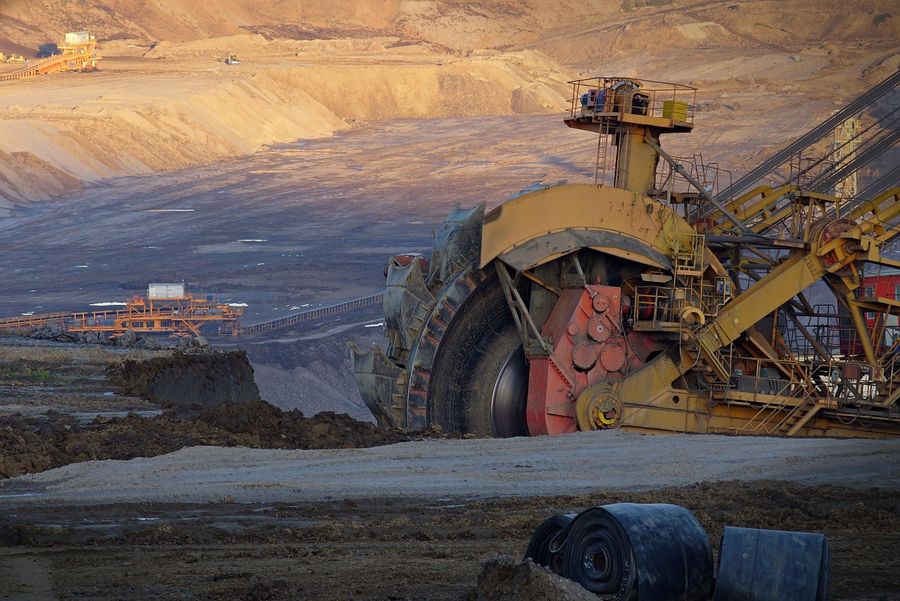


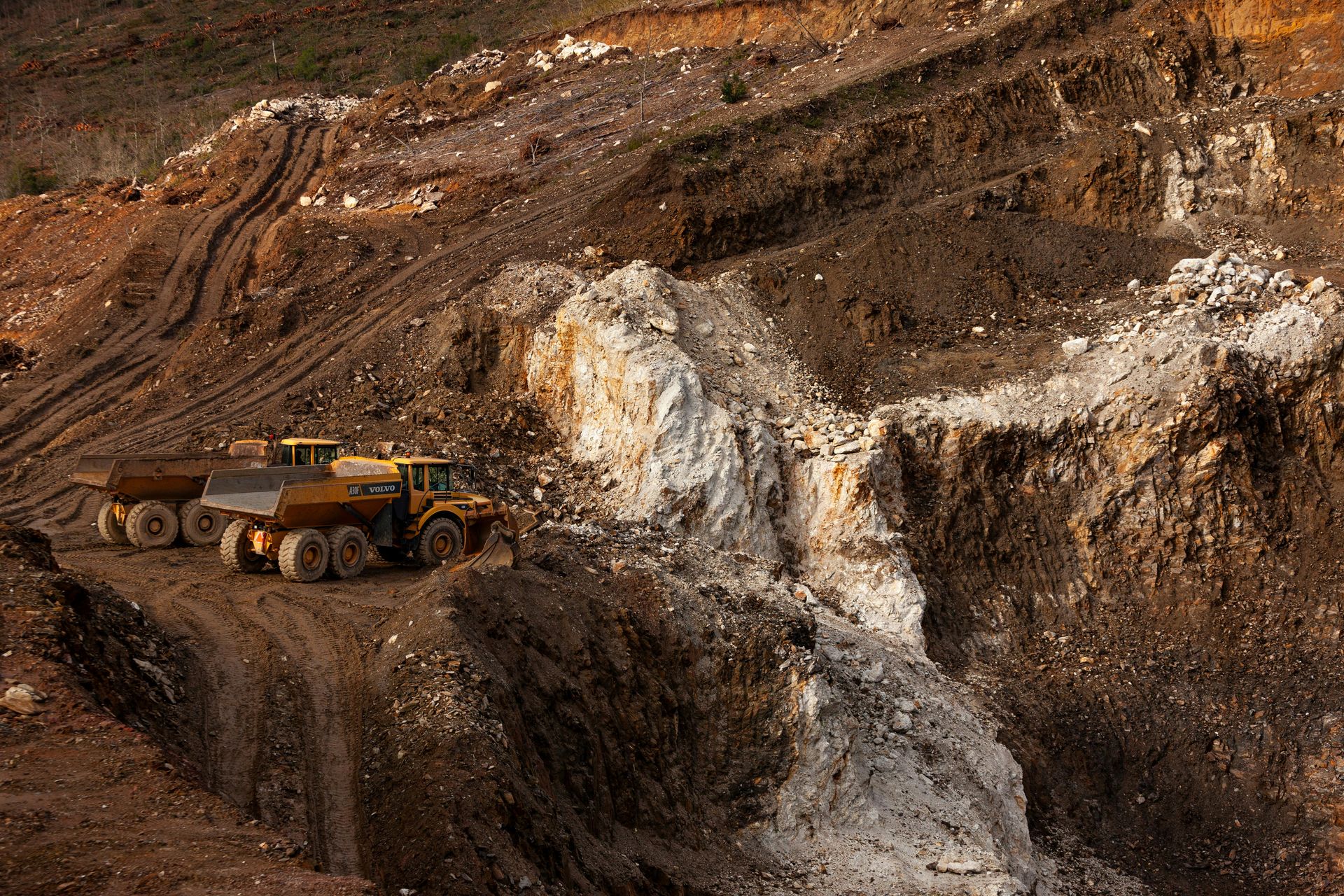
A global race for critical mineral resources among industrial nations is underway. It is a race that coincides with a competition among Global South countries to climb up the value chain. Indonesia, which supplies 60% of global nickel production, epitomizes this competition: it has increased output more than 10-fold in the past decade on the back of Chinese-driven investments.
Nickel is listed in the U.S. Department of Energy critical materials assessment, the U.S. Geological Survey critical mineral list, and among the Department of Defense’s strategic materials of interest. The mineral’s uses span jet turbines to electric vehicle (EV) batteries. Indonesia’s massive investments in nickel represent one of the world’s largest experiments in critical minerals production and have become a new benchmark for other Global South countries. While it has made great strides in moving up the value chain, Indonesia’s example is also a cautionary tale.
The Indonesia Model: Speed at the Expense of Safeguards
In 2025, after heavy rain, a waste pond at a major nickel operation on Obi Island, in central Indonesia, flooded three villages with polluted mud and killed one resident. Executives had known for years that drinking water carried illegal levels of the carcinogen chromium-6. This was not an isolated incident. Eighteen months earlier, a furnace explosion at an industrial park smelter killed 21 workers. At least 53 smelter workers reportedly died in Indonesia between 2015 and 2022.
These victims are the local faces of the global minerals race. Indonesia has advanced its position in that race by banning raw ore exports to capture more value and force companies to refine at home. This has resulted in more than $30 billion in investment and has raised the country’s nickel sector value from $1.4 billion in 2020 to $34.8 billion in 2023. The ability to deploy investment quickly is a powerful incentive for Global South governments with five-year electoral cycles. But, all too often, investment outpaces the establishment of safeguards meant to protect human rights and the environment.
Nevertheless, Indonesia’s success has spurred imitation in the wider Global South: Zimbabwe has banned raw lithium exports, while Namibia and Tanzania are weighing similar steps, often without examining the record beneath the Indonesian model.
The world prizes the end products that support future technologies and a green energy transition, but the costs often fall heavily on producing communities, leading to lost land, pollution, and compromised worker safety standards. These costs are often accepted as the price of doing business when alternatives to Chinese investment are limited. An opportunity to reshape a global transition along more considerate pathways is being eroded, and that erosion should worry Washington as much as Jakarta.
‘Green’ Minerals Can Harm the Environment
Global buyers have framed “green” minerals largely through carbon metrics, but the damage felt in communities around mineral hubs runs deeper, including toxic tailings from processing waste flooding villages, contaminated water, and lost livelihoods. Many of these don’t show up properly in simplified "green" mineral metrics.
A 2026 Earthworks investigation found that Obi Island’s tailings dams are overfilled and unstable, leaking boron, chromium-6, and nickel into groundwater. Another industrial site in Morowali generates an estimated 11.5 million tons of tailings a year, enough to fill more than 2,000 dump trucks every single day. On Halmahera Island, the nomadic O'Hongana Manyawa — among the world's last hunter-gatherer tribes — are losing their forest to land clearing around the $11 billion industrial complex, which reportedly saw roughly 10,000 hectares of old-growth forest cleared in a single year. These are only a few of the many harmful impacts of mineral development projects.
Mineral development is caught between two extremes. On one hand, there is Global North capital, wrapped in International Finance Corporation performance standards and safeguards that can take years to satisfy. On the other, Chinese capital comes much quicker and without the same kinds of conditionalities. Governments and local interests chasing the boom gravitate to whichever path clears fastest, and that is rarely the careful one.
Commodity industries continue to reward “cheap minerals” in the global race to secure industrial competitiveness, but these minerals are cheap for many reasons. Some of those reasons are sound, such as technological advancements and investment speed, but others are not given how communities are exploited.
A Third Model of Development
The world’s mineral race was spurred by the clean energy transition. But countries around the world are increasingly recognizing that these minerals matter far beyond clean energy. They have important applications for defense, electronics, and the industrial base of both today and tomorrow. The race is still on, and there is an opening to find common ground between the United States and Global South producers.
The mine-and-export model is being challenged at a global scale by Chinese capital willing to extend investment past the mine and into basic processing stages. Meanwhile, summit-level commitments on minerals cooperation with the Global South ring hollow when high standards cannot be implemented on the ground at speed.
China, which controls about 65% of Indonesia's nickel refining capacity and built more than 90% of its smelters, demands few of the conditionalities that Global North markets do. U.S. policy, by contrast, has imposed conditions that producers have no realistic path to meet. The Inflation Reduction Act's EV credits exclude minerals linked to "foreign entities of concern" and effectively require a trade deal that Indonesia does not have. The credit's 2025 repeal then prompted calls for a new nickel strategy.
A fair middle ground would be for the United States to secure its mineral objectives while offering a “third model” for Global South countries to build out their minerals industries. Navigating the complex governance of Global South countries can be difficult for U.S. firms, but diplomatic backing from Washington can lend them greater standing with host governments.
Policy Recommendations
In paving a path for a secure supply of critical minerals, the United States should lead with stable, long-term signals and use its leverage to raise standards, while still moving at the speed required to make these projects viable.
- A crucial element of any mineral development strategy is a long-term stability signal. Executive orders (EO) such as Project Vault, which aim to strengthen mineral security through strategic reserves, will need to be evaluated for durability across administrations. While the EO is easily reversible, the $10 billion loan from the U.S. Export-Import Bank that backed it provides a layer that can outlast administrations. Similar layers need to be built into U.S. strategy in order to provide stability signals.
- U.S.-supported projects and deals should carry binding human rights and environmental conditions, but ones that are workable. The 2025 U.S.–Indonesia trade agreement reportedly includes few binding labor, environmental, and Indigenous protections, leaving little leverage to improve conditions on the ground. Credible standards are emerging — the Initiative for Responsible Mining Assurance and the Consolidated Mining Standard Initiative, among them — but their value depends on their deployability. The U.S. government will need to calibrate standards to what producers can realistically meet in markets that China already dominates. A bar set too high simply cedes those projects to Chinese capital that asks for none, while a workable, consistently applied one can shift the baseline over time.
- Speed remains a competitive advantage, and the United States will need to better coordinate efforts now scattered across separate agencies. Consolidating these initiatives into a predictable pathway would let investors know how long it will take Washington to decide whether to back a project. Human rights and environmental standards agreed in advance would accelerate this process.
For Washington, the choice is not between human rights and supply security. The durable strategy is to make human rights part of supply security. Critical minerals that are cleaner, more transparent, and more locally beneficial carry less political and commercial risk. They are far less fragile than minerals produced with low standards.
If Global North countries, such as the United States, aim to play a defining role in the global mineral race both for their industrial resilience and to set standards, they must pair investment with long-term stability signals, speed, and standards that producers can reach. Otherwise, countries like Indonesia will write their own rules and continue to lean on partners that ask for less.
-900x506.jpg)